How to recognize that you might be in (high functional) burnout and need help?

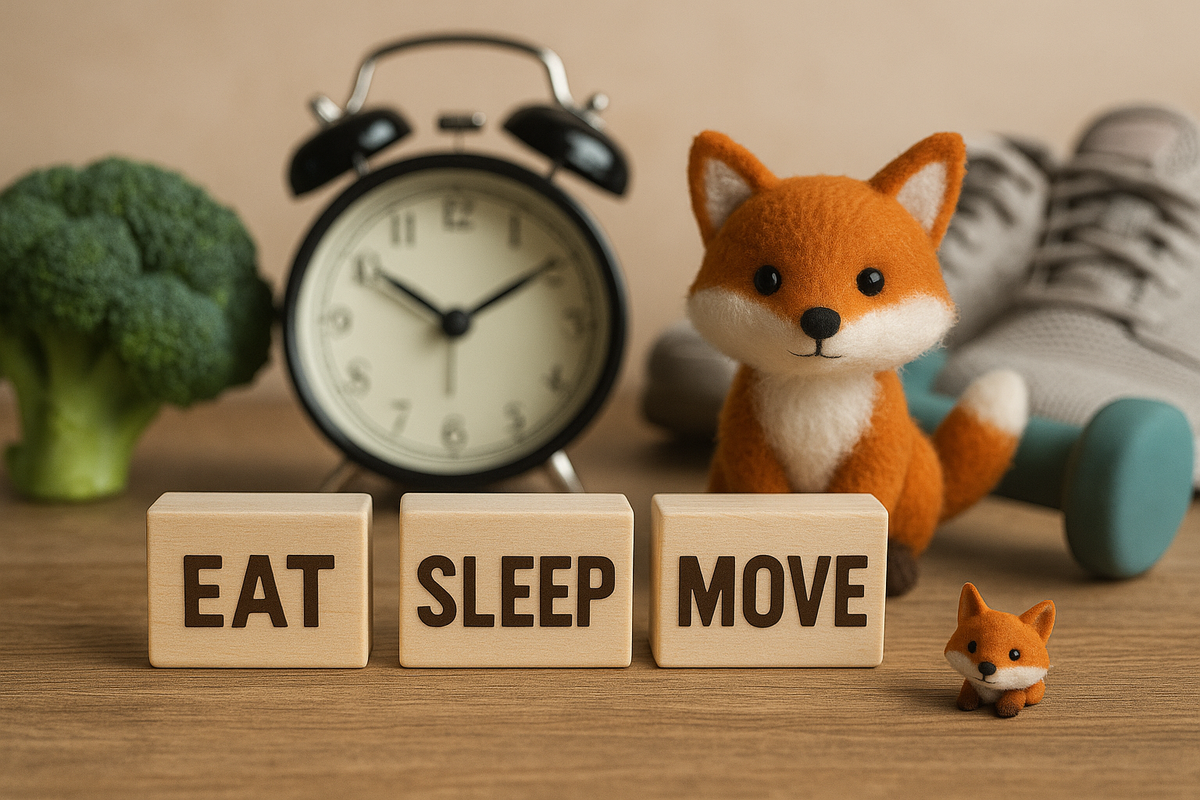
Burnout recovery pillars: Eat • Sleep • Move (No hustle-speak, promise)
🕒 Reading time: ~10 minutes
How to recognize that you might be in (high functional) burnout and need help?
1. Classic burnout (the obvious crash)
>Bone-deep fatigue that lingers after a full night’s sleep
>Cynicism & detachment – eye-rolling meetings, dreading messages, withdrawing from friends
>Productivity plunge – tasks drag, small decisions feel like lifting weights
2. High-functional burnout (the hidden strain)
>Still hitting targets – but on caffeine, deadlines, and sheer willpower
>Secret depletion – feeling of extreme depletion and exhaustion, evenings or weekends vanish into naps, headaches, or tears. You feel detached from your life -derealization or flatness.
(your only desire is peace and quiet you start hating e.g. any social events)
>Emotional flatline – praise feels hollow, hobbies feel like chores (and you stop doing things that you loved before), joy feels muted (often you just operate around the “duty” for the family or for something / somebody else but not for yourself) >Avoiding confrontation and additional energy loss at any cost – subconscious avoiding of any task or any event that might consume more than absolute minimum of your energy. You overanalyse your to-do list but can’t act.
3. Universal red flags
>Rest no longer restores (you can wake up tired even after 8h sleep)
>You dread simple tasks
>Mood swings after minor setbacks (often incl. rage and violent thoughts)
>Body keeps the score – frequent colds, gut issues, tension headaches (incl. recovering from getting sick much longer than you used to)
>Feeling exploited by system, by the family (also other relationships) or by the work
>Skipping basic self-care tasks like evening hygiene
If three or more points resonate, take it as a signal, not a failure, to reach out. Talk to a healthcare professional, confide in a trusted friend, and lean hard on the recovery pillars of eat • sleep • move as non-negotiable first aid. If you feel extreme depletion do not hesitate to reach your general practitioner and ask him to recommend a psychiatrist and in the first meeting directly say that you believe you are suffering from burnout and you need an extended sick leave.
Why burnout recovery pillars?
Burnout rarely arrives with a fanfare. It creeps in quietly, an unanswered text, a skipped lunch, a night of “just one more episode.” Before we know it, our foundation feels cracked. This week, instead of chasing one‑size‑fits‑all fixes, we’re coming back to three gentle, biological cornerstones that hold the house together:
- Eat – (high-quality) fuel, not fuss.
- Sleep – permission, not performance.
- Move – flow, not force.
Think of them as pillars you can lean on, adjust, and even repaint, rather than deadlines you have to “crush.”
Pillar 1 – Eat 🌱
Nourish, don’t negotiate
Food isn’t a reward for finishing a task. It’s the entrance fee for showing up in the world with a brain that works. When glucose dips, focus wobbles and the stress hormone cortisol climbs, turning molehills into mountains.
Tiny experiments for the week
- The color check‑in: Add at least two different colors to any plate or bowl. Carrots + hummus counts.
- Think about higher-protein, lower-glycemic diet: For many intellectual and sensitive minds a higher-protein, lower-glycemic diet can offer substantial benefits in terms of focus, energy stability, and emotional regulation. (eggs, chicken, cottage cheese, fish, Greek yogurt etc.)
- The 3‑hour rule: Aim to go no longer than three waking hours without something nutrient‑dense, handful of nuts, yogurt, fruit.
- Hydration station: Keep a full glass or bottle within arm’s reach of your main workspace. Each refill is a mini body‑scan break.
- Don’t overeat (especially around the sleeping time): Smaller meals (but more often) are much better for the recovery.
Reflection prompt: “What does ‘enough’ feel like in my stomach? How does it differ from ‘too much’ or ‘still hungry’?”
Pillar 2 – Sleep 😴
Rest is repair
Seven to nine hours isn’t moral high ground; it’s biological housekeeping. During deep sleep, spinal fluid washes metabolic waste from the brain. REM integrates memory and emotion. Cutting corners here is like skipping the ‘Save’ button on your computer.
Gentle nudges
- Digital sunset: 60 minutes before bed, park screens outside the bedroom or enable a strict blue‑light filter + Do Not Disturb.
- Wind‑down ritual: Choose one cue: tea, stretching, or a single chapter of a comforting book and let it signal “the day is closing.”
- Morning sun: Within an hour of waking, expose your eyes to natural light for at least 5 minutes; it anchors your circadian rhythm.
Make sure that you start tracking your sleep (I do it using Apple Watch and AutoSleep app) incl. following your sleep debt. If you sleep too little one day, you will need to sleep more the other day to equalize your debt. This strongly supports your recovery.
Check week5 post -> “Sleep Energy Changed Everything: How I Stopped Running on Empty”
Pillar 3 – Move 🌀
Motion melts tension
You don’t need a PR, a Fitbit badge, or a 30‑day challenge. Your nervous system just needs periodic signals that it’s safe to uncoil.
Low‑pressure ways in
- Micro‑movement: Every 90 minutes, stand up and roll your shoulders, reach overhead, or take a 2‑minute hallway stroll.
- Outside over inside: If possible, swap one indoor task for an outdoor one, reading email on a bench counts.
- Play permission: Dance to one song, kick a ball, hula‑hoop, do a cartwheel. Joyful movement metabolizes stress chemicals faster than dutiful reps.
- Walking: Walking is great for your body and mind. I strongly recommend at least 60min of total time walking per a day.
Note: If pain, mobility, or chronic illness limits movement, think “wiggle what’s willing.” Even slow ankle circles improve blood flow.
Putting it together
Pick one micro‑step from each pillar and schedule it into your calendar. Yes, like any other appointment. Then, at week’s end, jot down:
- What felt surprisingly doable?
- Where did resistance show up?
- How did your mood/energy shift on days you stayed with the pillars?
- What are the signs that your body sends you about the level of tiredness (e.g. Heavy eyelids? Irritated eyes? Stomach pain? Other pain?)
Small hinges swing big doors. Your job isn’t to rebuild Rome overnight; it’s to keep laying outright bricks.
Looking ahead
This post opens the FoxMind.space burnout (understanding + recovery) series.
Next week we’ll go deeper into burnout phases, timelines, and the bold life changes that often accompany recovery. We’ll map the nervous system signals that show when the system begins stabilizing again, turning burnout from something confusing and frightening into something observable, navigable, and recoverable.
Until then, eat enough, sleep soft, move kindly.
— You, rediscovering
🦊 The FoxMind Collective
This post is part of FoxMind.space — helping you prevent burnout, recover if it happens, and build energy systems that keep it from returning.
If this helped:
➡️ Newsletter: deeper dives and personal reflections (free monthly; paid biweekly).
❤️ Support: become a patron to keep this space independent and ad-free. You could also include an anonymous way to “add a log to the campfire” a small one-time symbolic gesture to show that something resonated, even without writing a comment.
🔥Grateful to the Patreons in the Inner Circle. Your support keeps FoxMind.space growing.
Next up: Burnout phases, timelines & bold changes – A nervous system roadmap
New posts every Sunday (CET).
Disclaimer: Personal experience, not medical or legal advice. If you’re in crisis, seek local professional support.