Burnout phases, timelines & bold changes – A nervous system roadmap

🕒 Reading time: ~10 minutes
Why map the journey?
“Burn-out” is now formally listed in the WHO’s ICD-11 as a syndrome that stems from chronic workplace stress that has not been successfully managed. It presents as exhaustion, cynicism/distance and reduced efficacy. World Health Organization. Yet most resources talk only about symptoms or quick fixes. What’s missing is a roadmap—where you are, what’s next, and which bold interventions move the needle. This post offers that bird’s-eye view.
Burnout is not a mindset. It’s not something you “power through” or solve with a weekend off.
It’s a full-body event. A collapse of your nervous system’s ability to keep up with prolonged overload. And recovery? It’s not a single turning point. It’s a progression, through phases, through signals, through layers of healing that most systems ignore.
Here’s a structured map of burnout recovery in six phases, rooted in physiology, sleep architecture, and nervous system regulation. It can help you recognize where you are, what’s changing, and when to make bold shifts.
🔴 Phase 0 – Collapse
Nervous system overwhelmed.
The bottom. Sleep is fragmented, emotions are dysregulated, and even simple tasks feel insurmountable. You’re not tired. You’re depleted. In my case the trigger was intensive business trip with 7h time shift.
🛑 Goal: Stop the damage.
This is the point of full medical leave, nervous system triage, and crisis management.
🟠 Phase 1 – Stabilization & Safety
Gently start digging out.
Small, foundational changes begin. You reduce stimulation, shift from reacting to restoring, and support the body with rest, routine, and calm.
🛠 Goal: Stop digging. Start small repair.
This includes:
>Sleep hygiene
>Gentle nutrition changes
>Non-sleep deep rest, nature walks, supplements
>Saying “no” more than “yes”
Clue you’re progressing:
Sleep becomes more efficient. The fog slightly lifts.
🟡 Phase 2 – Foundational Recovery
Sleep deepens. Nervous system steadies.
The first solid gains. Sleep deepens past 90 minutes of deep sleep. Reactivity lowers. But the system is still fragile.
🌱 Goal: Build resilience slowly.
Noticing better mornings. Tracking becomes valuable here. But childcare, conflict, or pressure still cause crashes.
Watch for setbacks:
Minor stressors (like poor sleep or illness) can push you back. That’s normal. What matters is how fast you bounce back.
🟢 Phase 3 – Regeneration
Energy returns. Recovery accelerates.
Your body finally gets the signal: it’s safe to rebuild.
Deep sleep may hit 2 hours. Heart rate variability (HRV) rises. Care tasks don’t drain you as much.
🔋 Goal: Grow baseline capacity.
This is when you might:
>Handle caregiving without emotional flooding
>Sleep like a rock and wake with actual energy
>Tolerate minor disruptions (like alcohol, bad nights) without full regression
You’re still not ready for full reintegration, but the internal rebuild is real and visible.
🔵 Phase 4 – Autonomic Stabilization
Predictable sleep. Stable heart rate. Calm in motion.
You’re cautiously back in the driver’s seat.
Deep sleep is consistent (2h+), heart rate dips are strong, HRV rebounds quickly, and daily demands are met with clarity, not chaos.
💪 Goal: Prove resilience under load.
This is where bold changes can begin:
>Parenting blocks
>Social interactions
>Gentle work reintroduction
Bodily signs confirm this:
>Reduced morning sweating
>Calm even under minor stress
>No more post-nap grogginess
>Parasympathetic tone dominates (rest, digest, restore)
You are no longer surviving. You’re stabilizing.
🟣 Phase 5 – Functional Reintegration
You can sustainably function again.
The real test: Can you care, work, and stay regulated?
Can you go without naps, handle conflict without shutdown, and complete tasks without depletion?
🚀 Goal: Reintegration with self-designed boundaries.
This phase isn’t “back to normal.” It’s forward to better, built on lessons from collapse. It’s where reintegration meets redesign.
It includes:
>Sustained energy across full days
>Emotional self-regulation under pressure
>Returning to work on your terms
>Preventing relapse with structural safeguards
⚪ Phase 6 – Reintegration & Growth
Recovery becomes durable. You’re not just “back”. You’re moving forward with systems that protect energy and sustain performance. Setbacks no longer pull you into collapse. They become signals you can respond to early.
✨ Goal: Long-term redesign and growth.
This is where you:
>Maintain steady energy across full weeks
>Translate recovery lessons into daily habits and work structures
>Build safeguards that prevent old patterns from returning
>Redesign your environment to support resilience (boundaries, workload, social energy)
>Anchor your identity in sustainable performance, not overextension
At this stage, recovery shifts into growth using the experience of burnout as the foundation for a more resilient and intentional way of living and working.
🔄 What is recovery timeline in case of structured recovery scenario?
No two people move through burnout recovery at the same pace, but there are patterns that tend to appear across many cases. These timelines represent a structured recovery scenario when the nervous system receives real rest and repair conditions.
In practice, recovery can be faster or significantly longer depending on stress exposure, environment, and practical support (not only talking).
Phase 0 ➝ variable duration
Phase 1 ➝ 2–4 weeks
Phase 2 ➝ 2–4 weeks
Phase 3 ➝ 2–3 weeks
Phase 4 ➝ 2–4 weeks
Phase 5 ➝ 4+ weeks
Fast recoveries happen with full stop, full support, and deep repair.
Bold shifts aren’t optional. They’re what create the conditions for progress.
These phases describe a structured recovery scenario where the nervous system receives real rest, reduced stress exposure, and consistent repair conditions. In such cases, the overall trajectory can unfold in roughly 10–17 weeks before reintegration begins.
In practice, however, recovery can take several months and in some cases even 1–2 years or longer, especially if major stressors remain present (for example a toxic work environment or a deeply disrespectful relationship) or if the nervous system has been depleted for a long period of time (sometimes over many years).
✴️ Bold Shifts — playbook for real recovery
These aren’t life hacks. They are small, low-effort experiments that signal to your nervous system that things are changing. The goal is not perfection but testing what actually improves stability. Pick one shift and try it for 14 days, then observe what changes in your energy, sleep, and recovery.
>One simple shift is introducing an Inbox Curfew. For example, automatically closing email access at 18:00. This helps reduce evening cognitive activation, lowers cortisol exposure late in the day, and often improves the quality of deep sleep.
>Another experiment is a Micro-Sabbatical rhythm. Instead of pushing continuously, try blocking every seventh week from meetings or heavy commitments. This allows the nervous system to recharge and helps preserve the recovery gains typically built in the middle phases of recovery.
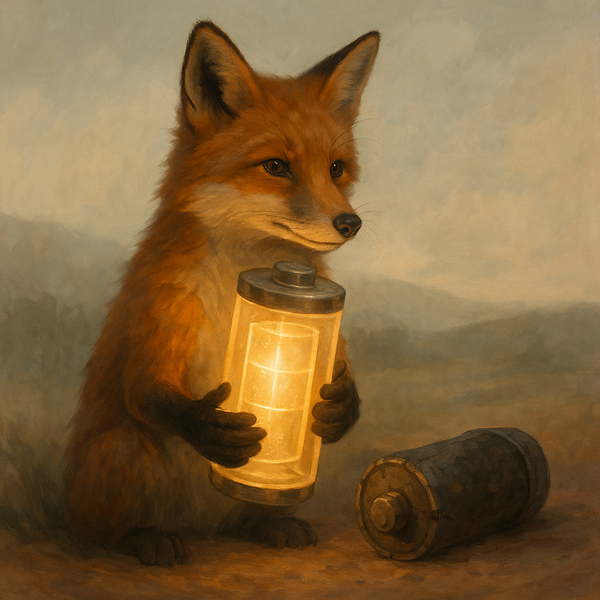
>A third shift is the 10% Battery Rule. The idea is simple: do not end the day completely depleted. Try finishing work with a small energy reserve still available. Maintaining that margin helps the system absorb unexpected stress without tipping back into overload.
>You can also add an Accountability Check. Sharing weekly sleep or HRV data with a trusted friend or partner increases consistency. Social accountability often doubles the likelihood that recovery-supporting behaviors actually stick.
None of these interventions are dramatic. But small structural shifts, repeated consistently, can gradually rebuild the nervous system’s stability buffer.
🧠 Reminder:
No experiment, tracker, or supplement will outweigh the biggest lever of all, removing what’s breaking you.
Sometimes, the boldest shift isn’t adding a new habit. It’s creating distance. If your home environment, relationship, or job is chronically draining you and not responding to repair then stepping away, even temporarily, might not just be helpful. It might be essential.
Recovery isn’t about fixing everything from within the system that burned you out.
It’s about regaining clarity, safety, and space, so your body can finally stop bracing.
🪫 When the mind is constantly in defence mode, nothing restorative sticks.
🪫 When the body doesn’t feel safe, no routine will land.
And one more thing:
Even so-called positive events, a long-awaited vacation, a family gathering, or a celebration, can harm your recovery if they overload your system. If it feels like it will cost more than it gives, you’re allowed to skip it. Permission doesn’t come from others. It starts with you.
💡 This isn’t giving up. It’s protecting the version of you that still wants to live, love, and come back stronger, on your terms.
🗺️ Your recovery timeline — make it visible
Your nervous system has a timeline. Most of us only notice it in hindsight. Let’s change that. Here’s a simple way to track your arc and spot progress before your mind catches up.
🛠 DIY Timeline Tracker
- Print or sketch a 12-month blank timeline.
- Mark three dots:
>The last day you felt fully alive
•>The first day something felt off
•>Today - Connect the dots. Notice the slope.
- Pick one bold shift from above and commit to it for 14 days.
- Track 3 signals:
>Sleep efficiency (e.g. using smart watch)
>HRV (or resting HR)
>Mood half-life (how long it takes to bounce back after a dip)
>Note how you feel in the early morning (Do you feel regenerated?)
>What kind of thoughts are in your mind (positive, negative, rage, fight or flight only, maybe some more positive and pleasant thoughts with hope are coming?)
If the slope flattens or better, turns upward you're not just surviving. You’re recovering.
🦊 Final Thought:
The body knows before the mind catches up.
Sweat, sleep, HRV, digestion, irritability, feeling on your eyelids and even your desire to speak or move, these are the real markers of burnout and recovery.
Don’t wait for total collapse to make bold changes. Your nervous system is whispering before it screams.
🦊 The FoxMind Collective
This post is part of FoxMind.space — helping you prevent burnout, recover if it happens, and build energy systems that keep it from returning.
If this helped:
➡️ Newsletter: deeper dives and personal reflections (free monthly; paid biweekly).
❤️ Support: become a patron to keep this space independent and ad-free. You could also include an anonymous way to “add a log to the campfire” a small one-time symbolic gesture to show that something resonated, even without writing a comment.
🔥Grateful to the Patreons in the Inner Circle. Your support keeps FoxMind.space growing.
Next up: Recovery tools: How I game & watch to heal (not escape)
New posts every Sunday (CET).
Disclaimer: Personal experience, not medical or legal advice. If you’re in crisis, seek local professional support.